
Water Safety for Anglers: Stop, Think, Float to Live
- Online Instructor

- Jun 20
- 4 min read
Fishing is one of the best ways to enjoy the outdoors. Whether you are float fishing on a lake, walking a riverbank, fishing from a boat on the Broads, wading a shallow stream, or casting from a beach, being near water is part of what makes angling so special.
But that also means water safety has to be part of good angling.
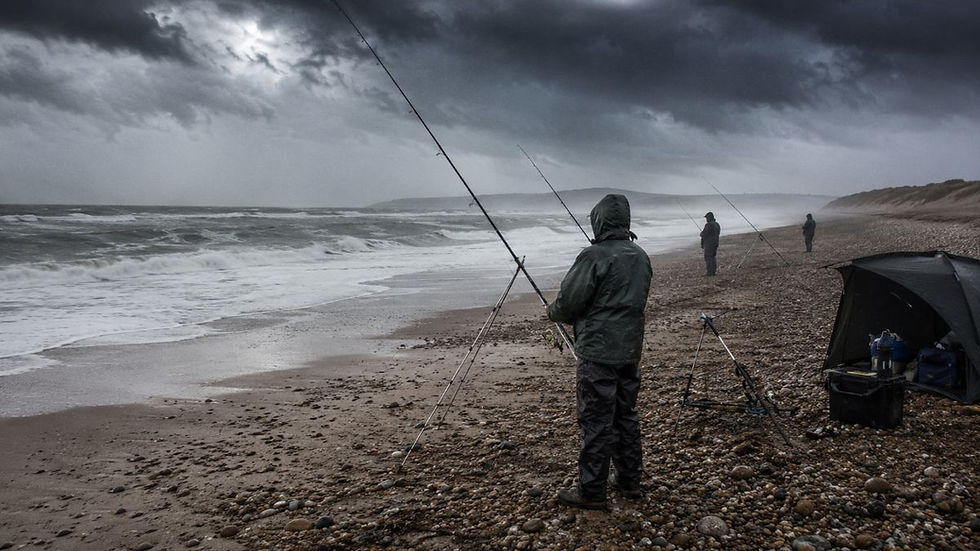
In support of Drowning Prevention Week 2026, we are helping to share important water safety messages for anglers and their families. This annual campaign is led by the Royal Life Saving Society UK and aims to help children, young people and adults understand water safety and prevent accidental drowning.
For anglers, this message is especially important.
In the last five years, 41 people in the UK accidentally lost their life to drowning while angling. Of those fatalities, 68% happened inland and 32% happened at the coast. Almost half happened at weekends, and in 98% of cases the person unexpectedly fell or was swept into the water. Sadly, 98% of those who lost their lives were male.
Most anglers do not plan to enter the water. They are not swimming or taking part in water sports. They are simply fishing, walking to a swim, landing a fish, moving along rocks, wading, or stepping onto a boat. That is exactly why the risk can be missed. A muddy bank, hidden drop-off, wet platform, fast current, strong tide, cold water, heavy clothing, or fishing alone can turn a normal session into an emergency very quickly.

The Water Safety Code gives four simple messages that every angler should know:
Stop and Think, Stay Together, Call 999, and Float.
Stop and Think means taking a moment before you fish. Look at the bank. Is it steep, muddy, undercut, slippery, or unstable? Is the tide coming in? Is there safe access behind you? Could you get back out if you slipped in? Are there signs or local warnings you should follow?
Stay Together means avoiding unnecessary risk by fishing with someone else where possible. If you are fishing alone, let someone know where you are going and when you expect to be back. Keep your phone charged and easy to reach, not buried at the bottom of a tackle bag.
Call 999 if someone is in difficulty. Do not jump in after them. At the coast, or on the Broads, ask for the Coastguard. For other inland waters, ask for the Fire Service. Throw something that floats if you can do so safely, but do not become a second casualty.
Float to Live is the key message if you fall in. Try not to fight the water. Lie back, keep your ears in the water, spread your arms and legs, and control your breathing. Once the cold-water shock has passed, you can call for help or look for a safe way out.
Watch the RNLI Video Float to Live

What if you are wearing waders?
Waders are useful for fishing, but they need respect. Before entering the water, wear a properly fitted wading belt, move slowly, and avoid going deeper than you need to. Good wading also means careful foot placement, suitable boots, studs where appropriate, and thinking ahead before entering the water.
If you fall in while wearing waders, the first job is still the same: stay calm and float. Do not waste energy trying to stand up in strong flow. Get onto your back, keep your feet downstream if you are in moving water, and use your arms to help guide yourself towards slower water or the bank.

A common worry is that full waders will instantly drag you under. The bigger issue is often not sinking, but getting out afterwards, because water-filled clothing and waders can become very heavy once you try to climb out. If you reach the bank, crawl out carefully rather than trying to stand up too soon.
Also think about what you are wearing over your waders. Long coats, loose sleeves, gloves, and heavy layers can make swimming or sculling much harder. Tighten wrist straps, avoid over-long sleeves, and consider practising wading safety in controlled conditions if you regularly fish in waders.
Further advice on safe wading and what to do if you fall in can be found on this video.
Lifejackets are another important part of angling safety. They are not just for sailors. If you are fishing from a boat, near deep water, on tidal rivers, on the Broads, or in places where getting out would be difficult, wearing a lifejacket is a sensible choice. Put it on before you get to the water’s edge.
Good anglers care about fish, wildlife, the environment and other people. But they also look after themselves.
So this season, before you cast out, take a moment.
Know the risks. Make safe choices. Float to Live.


Comments